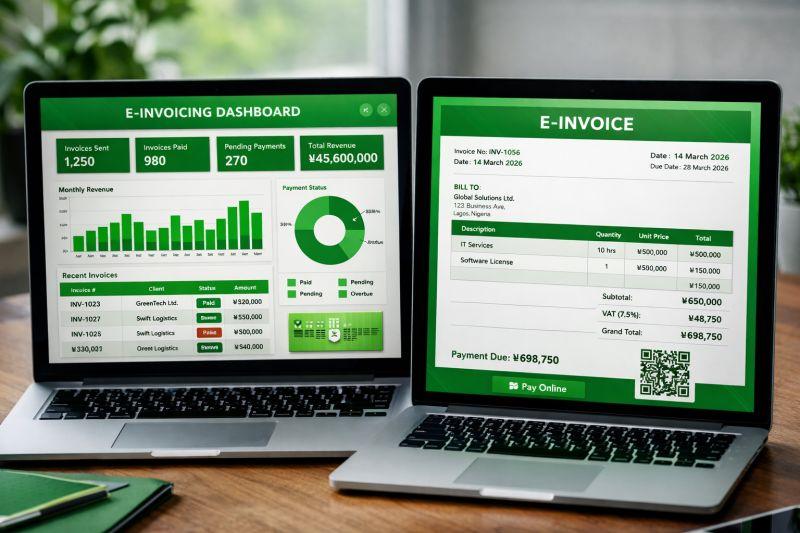
The introduction of electronic invoicing by the Nigeria Revenue Service (NRS) represents a major development in Nigeria’s tax administration system.
Businesses are increasingly expected to adopt digital processes that improve transaction reporting, transparency and tax administration.
However, transitioning from traditional invoicing to electronic invoicing requires more than simply changing the format of an invoice. Businesses must ensure that their accounting systems, financial records and invoicing procedures are properly configured.
Here are 10 common mistakes businesses should avoid.
1. Waiting Until the Last Minute to Prepare
One of the biggest mistakes is postponing e-invoicing preparation until compliance becomes urgent.
Businesses should understand the applicable NRS implementation requirements, confirm their onboarding obligations and prepare their accounting systems early.
2. Using Accounting Software That Is Not Properly Integrated
Manually preparing invoices and subsequently entering the same information into another platform creates unnecessary work.
Businesses should consider accounting solutions that support integration with the NRS Merchant Buyer Solution through an appropriate connection.
3. Incorrect Business Information
Incorrect registered business details, tax identification information, addresses and customer information can create validation problems.
Review your organisation’s information before commencing integration.
4. Incorrect Product and Service Descriptions
Product descriptions should be clear and consistent.
Businesses should also review their product codes, units of measurement, quantities and applicable tax configurations.
5. Incorrect VAT Configuration
VAT should be calculated using the applicable tax treatment for the transaction.
Incorrect tax configurations can result in discrepancies between invoices and accounting reports.
6. Ignoring Discounts
Discounts must be properly reflected in invoices.
Businesses should understand the difference between discounts granted before an invoice is submitted and reductions granted after validation.
7. Editing Validated Invoices
A validated e-invoice should not be treated like an ordinary editable sales invoice.
In Zoho Books, successfully validated transactions are locked. Corrections should follow the appropriate credit note or debit note process.
8. Failing to Track Invoice Validation
Creating an invoice does not automatically mean it has been successfully validated by the NRS.
Businesses should monitor transaction statuses and investigate failed submissions.
9. Poor Record Keeping
Businesses should maintain records of submitted invoices, validation references, credit notes and payment updates.
This improves reconciliation and audit readiness.
10. Failing to Train Employees
Your finance team must understand the new invoicing process.
Training should cover invoice creation, tax calculations, validation, credit notes and payment updates.
Conclusion
NRS e-invoicing should be treated as an opportunity to improve financial management, not merely another compliance obligation.
Businesses that prepare their accounting systems early will be better positioned to manage invoicing accurately and efficiently.
Need help preparing your business for NRS e-invoicing?
AgileBridge Technologies helps businesses implement and configure accounting solutions, including Zoho Books, to support modern accounting and electronic invoicing requirements.
Get started with Zoho Books:
https://store.zoho.com/ResellerCustomerSignUp.do?id=653dad76ca0884d2309b8712e494a811